
i-Sprint Uncovers Sneaky Android Banking Malware, FjordPhantom
New Malware Threat Detected

Promon and i-Sprint recently uncovered a new Android malware spreading across Southeast Asia. Out of the 113 banking apps tested, an alarming 80.5% cannot protect against FjordPhantom.
How Does It Work?
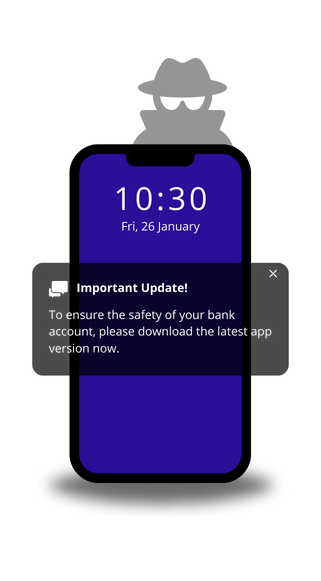

Distribution
- FjordPhantom targets banking customers with deceptive app downloads, using sophisticated social engineering tactics.
- Primarily spreads through email, SMS, and messaging apps
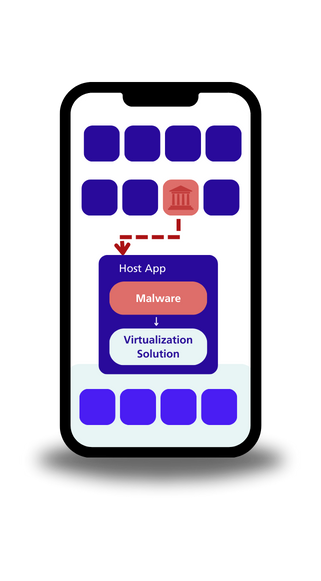

Virtualization
- FjordPhantom employs an unprecedented virtualization technique, eluding user detection and security measures.
- This allows the malware to utilize its hooking framework, enabling multiple apps to operate within the same sandbox
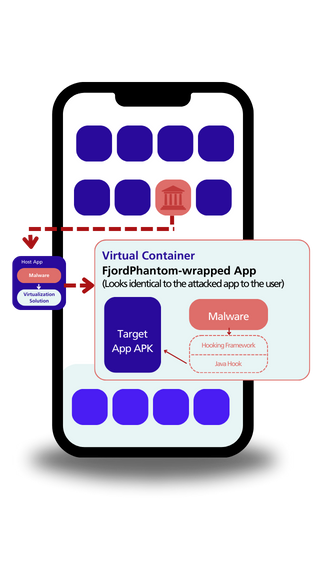

Hooking
- Code Injection: FjordPhantom injects malicious code into banking apps, manipulating Accessibility and GooglePlayServices APIs for detection evasion.
- UI Manipulation: The malware hooks into UI functionality, automatically closing dialog boxes to avoid raising suspicion.
- Stealthy Logging: FjordPhantom strategically places hooks to log target app actions without altering their visible behavior.
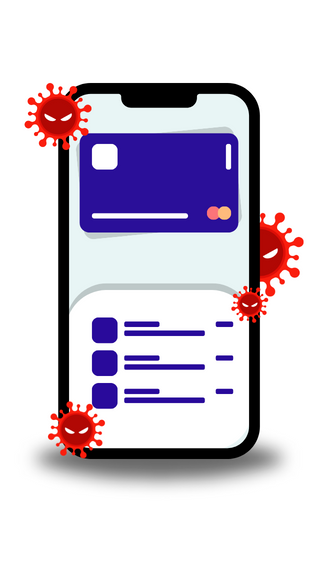

Attack
- Orchestrates a comprehensive attack for stealing sensitive information and manipulating user interactions within the app.
- Exploits the virtualized environment to execute real-world fraud, evading conventional security measures
The good news? We’re ahead of the curve.
Our latest release of AppProtect+ includes a powerful solution to detect and neutralize FjordPhantom.
Find Out If Your Company App Holds Up Against Fjordphantom:

When Mobile Security Meets Identity: Why Protecting Apps Is Now an IAM Priority
Mobile apps are now critical entry points to enterprise systems, making mobile security an essential part of modern identity protection. Discover why organizations need to connect mobile security and IAM to strengthen trust, reduce risk, and stay ahead of evolving threats.
Episode 10 | The Day Encryption Breaks: Is Q-Day Closer Than We Think?
What happens when today's encryption is no longer enough? In this episode, we explore the reality of Q-Day, the risks posed by quantum computing, and why organizations should begin preparing for a post-quantum future before it's too late.